Working Capital Associates provides direct financing to value chains of agriculture products from Sub-Saharan Africa (SSA) and Latin America (Latam). So far, the company has raised 2.215.000€ through Goparity to fund four different organizations: a coffee cooperative in Peru (Peruvian Resilient Farming I, II and III); a cocoa company in Peru (Resilient Cocoa Farming I, II, III, and IV); a family-owned cocoa company in Ecuador (Ecuadorian Cocoa Farming I, II, III, IV, V, VI and VII); and family-owned company based in Kenya: Privamnuts, active in processing and exporting macadamia nuts, for which this is the third campaign after Macadamia Nuts I, II and III.
In total, this is the eighteenth campaign promoted by WCA with Goparity. Twelve out of the previous seventeen campaigns have reached payment plan maturity. All investors received their capital back, a total amount of 1.305.000€, and corresponding interest.
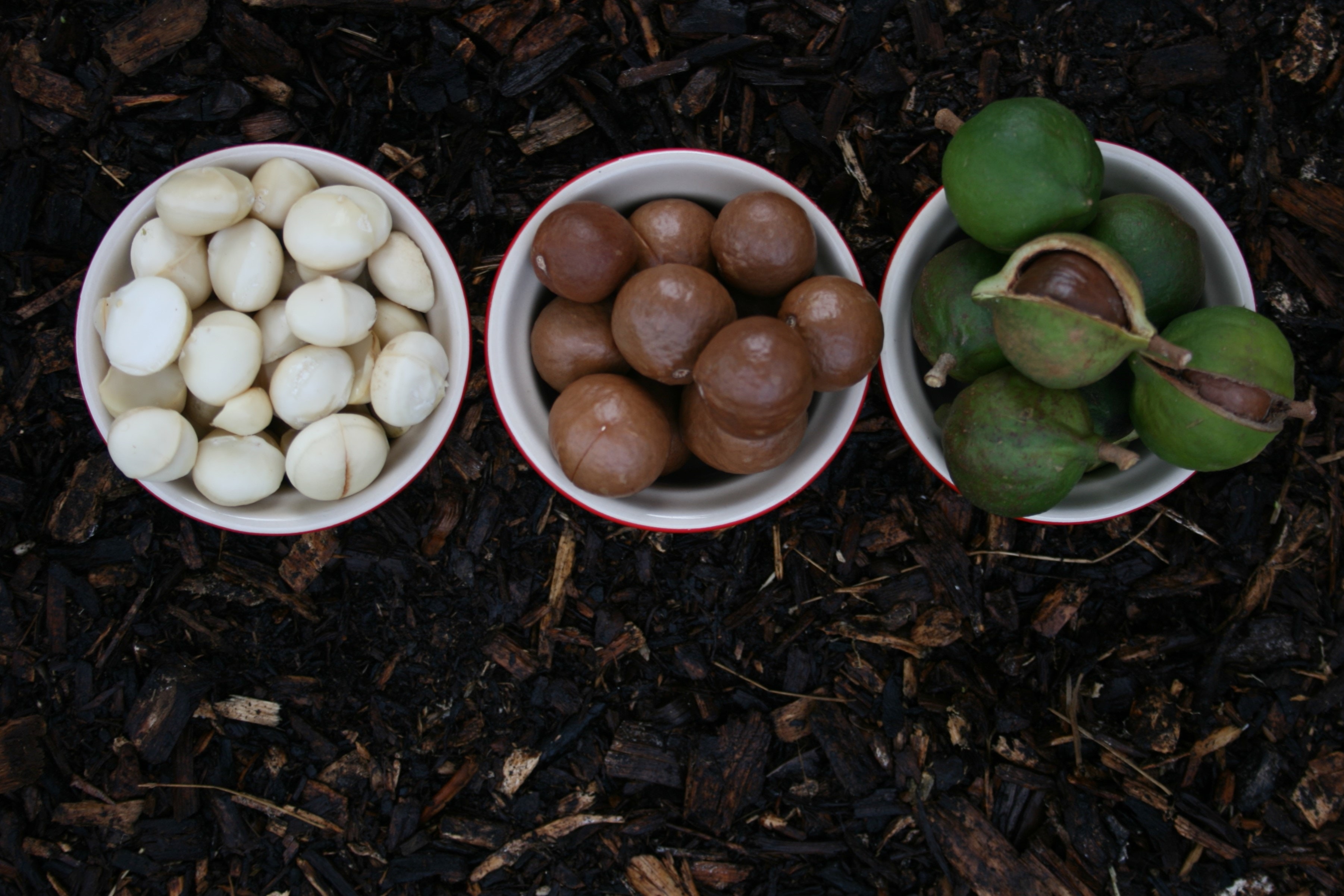
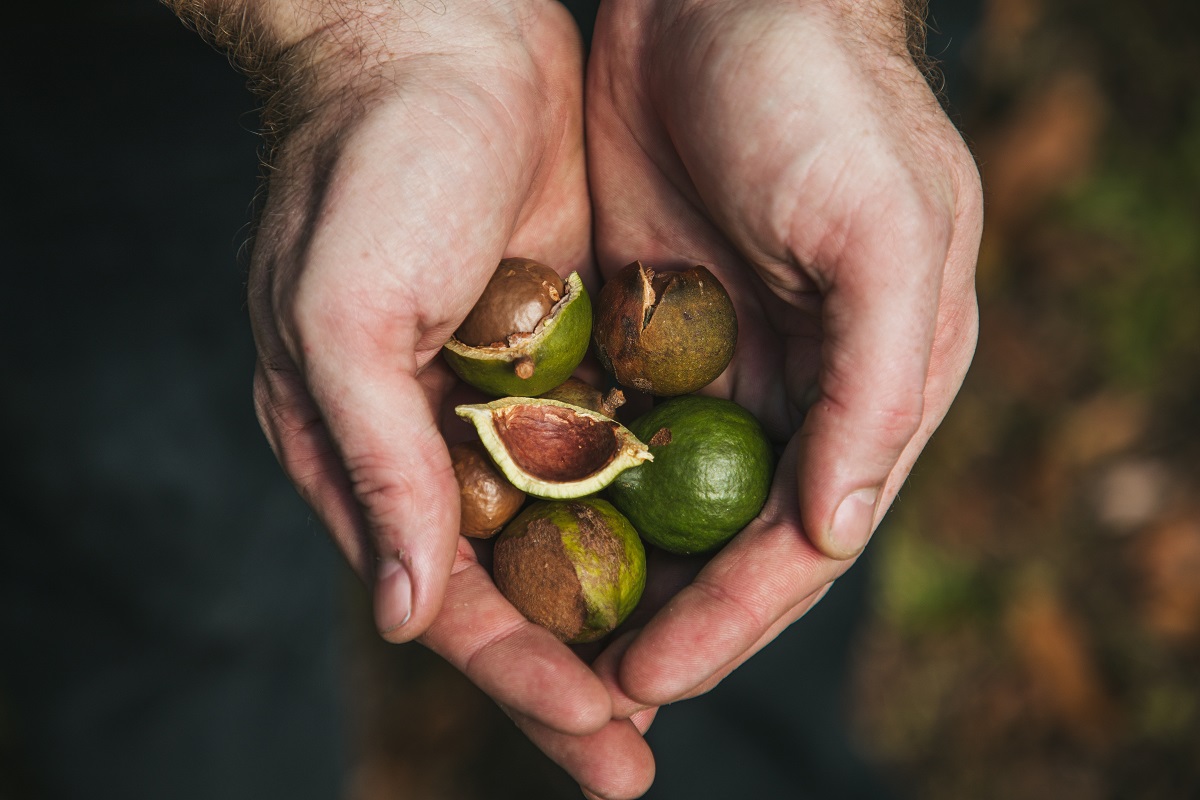
Macadamia nuts are butter-flavored nuts obtained from the macadamia trees, native to Australia. Due to their high nutritional value and dietary benefits, these nuts are a popular ingredient in snacks, bakery, and confectionery items. Other applications include cosmetic formulations, beverages, and edible oil (which can be used for cooking, or as salad dressing among others).
Privamnuts, procures the raw macadamia nuts from small farmers, processes them in its plant, and exports them mainly to the US and European markets. The Company has the food safety system certification FSSC 22000 (the highest certification in food safety management system) - a certification that enables an organization to demonstrate its ability to consistently provide safe and quality products that meet customer, applicable statutory, and regulatory requirements. The Company also has Halal and Kosher certifications.

The company sources its Macadamia nuts from the mineral-rich highland soils of Mount Kenya, right through the Equator, with a catchment of over eighty thousand small-scale farmers. The Company relies exclusively on smallholder farmers for the supply of raw macadamia nuts. More than 10,000 are working with the Company, and around 65% of them are female. Collection of raw nuts is done through 150 buying centers, which are managed by field supervisors.
According to the Company, the farmers allow their trees to grow naturally with little intervention, using available natural resources like animal manure, without spraying. The Company prides itself on the relations built with farmers and provides value-added services to the farmers such as training (ranging from training on best agricultural practices to post-harvest care and financial literacy) and inputs (such as a nursery with over 100,000 Macadamia seedlings available to the farmers at subsidized prices to make sure that all farmers have access to quality inputs).
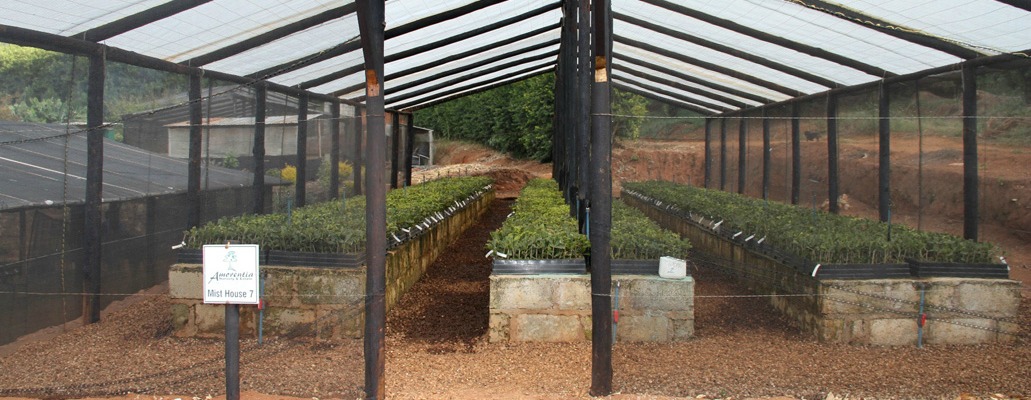
The Company had a direct purchase policy, which ensures that farmers receive a price that is nearly twice that they would receive when selling to brokers. Due to the work of the Company in the region, more and more farmers are interested in diversifying their crops to include macadamia nuts.
The Company has implemented end-to-end quality monitoring systems where the Quality Control team is audited by the Quality Assurance team, ensuring quality control right from farm to the point of sale (quality controllers participate in the collection of the nuts and conduct sample checks of nuts brought by the farmers to make sure they satisfy the Company’s criteria). Complete traceability of every bunch of nuts, and quality checks after every step of processing, assure that the product shipped to the customer corresponds to its technical specifications.
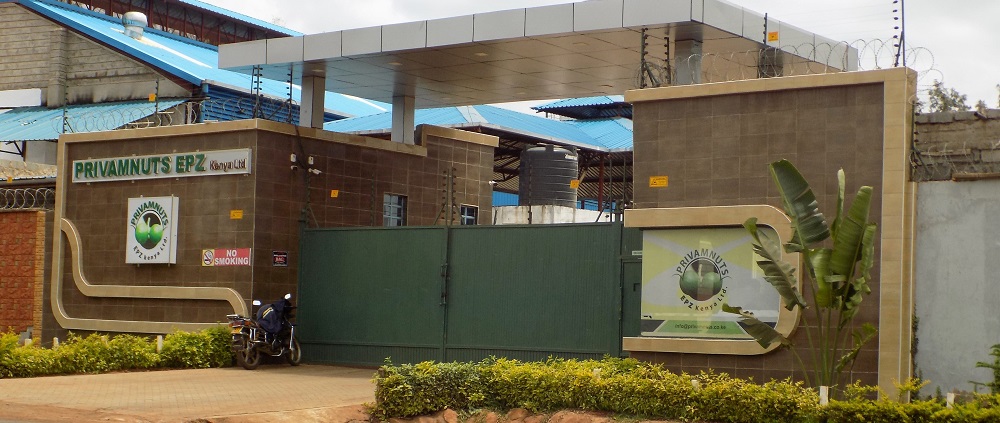
The Company currently has a processing capacity of 7.000 metric tons of nuts in shell per year. This is equivalent to about 1.050 metric tons of exportable products, given a 15% recovery rate. The production process involves drying the nut and reducing moisture.
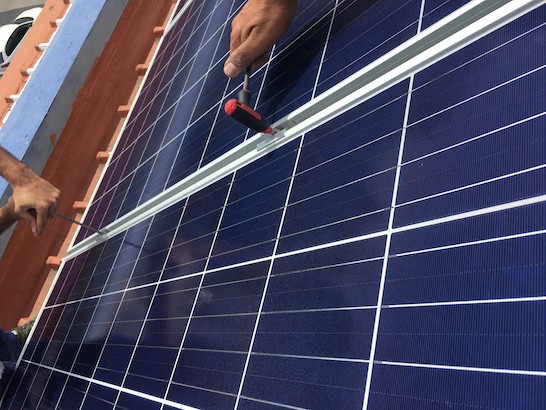
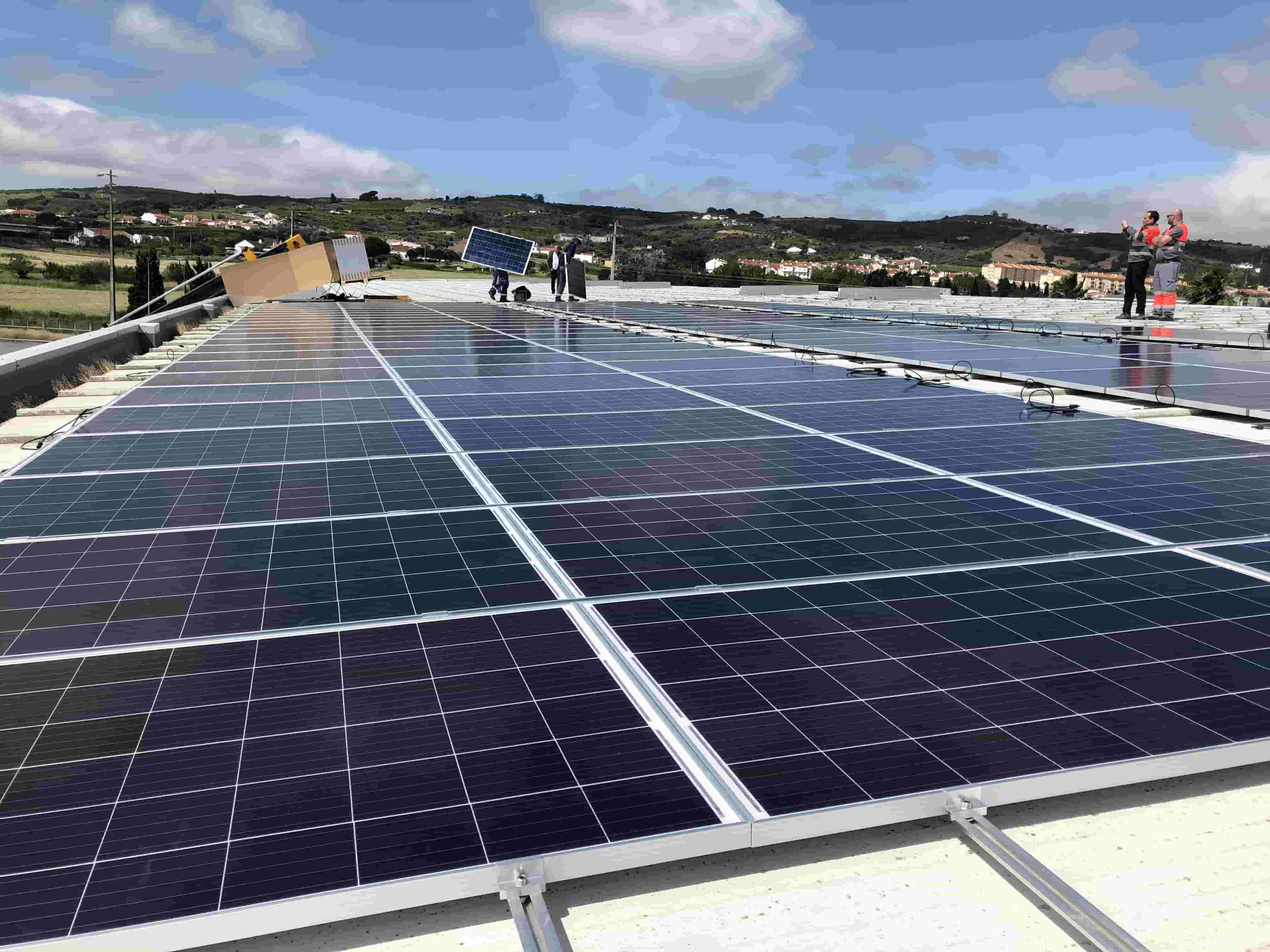
The plant receives a reliable supply of power from Kenya Power and Lighting co, which has enough solar panels to light the factory during outages, however, they still need to run a generator for the heavy usage needed in cracking. The long-term plan is to increase solar capacity.
At present, Kenya is the third-largest macadamia producer in the world after Australia and South Africa. Kenya’s market share rose from 7,2% in 2009 to 12,2% percent in 2018. Kenya also registered the highest growth in production volumes during this period. Kenya’s macadamia production exploded over the past decade from 11.000 metric tons ‘nut in shell’ (NIS) in 2009 to 42.500 tonnes in 2018. The bulk of Kenyan macadamia is produced by about 200,000 smallholder farmers.
From the 1970’s to today, the macadamia industry has experienced rapid growth, reaching a global crop of 230.000 metric tons (MT) in-shell basis/60.000 MT kernel basis (at 3,5% nut in-shell moisture content (NIS mc)) in 2019. The global production of the macadamia nut has doubled over the past decade, from about 30.000 metric tons in 2010 to about 60.000 metric tons in 2020.
Kenya’s Agriculture and Food Authority (AFA) estimates that, with an increased acreage under the crop, production will reach 60,000 tons NIS by 2022. This would constitute an increase of around 50% when compared with 2019.
The global production forecast indicates that over 440.000 tonnes of NIS will be produced by 2025 and more than 680.000 tonnes over the next ten years compared to around 22.,000 tonnes NIS now produced. The forecast shows that macadamia production growth rate in the coming ten years is expected to be even more significant than during the past decade, i.e. it will double in the next 5 years and triple in the next 10 years, while production doubled during the past 10 years.
The government aims for all macadamia nuts grown in Kenya to be processed locally, as this would empower local processors, advance domestic value addition, secure jobs, and increase farmers’ income. As a result, the processing capacity expanded from 4 processors in 2009 to at least 30 processors by 2018. Since the production is anticipated to grow tremendously in the next 5 years, processors have increased the installed processing capacity to approximately 90.000 tons NIS. There is still ample room for processing expansion, with 50% unused capacity, at present.

.webp)






























.svg)

.svg)


.svg)

.svg)
.svg)
.svg)
.svg)