SeaForester is a Portuguese environmental impact company dedicated to restoring disappearing underwater seaweed forests along Portugal's coast. After several years of research and pilot projects, the company is now scaling up its restoration work using a low‑cost, nature‑based method: growing seaweed on small stones in nurseries and then placing them back into degraded coastal areas to help underwater forests recover.
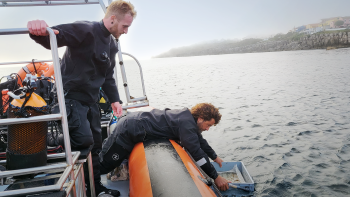
This campaign’s goal is to advance funds that SeaForester will receive from the second payment of a grant awarded by a large marine philanthropic provider to accelerate the replanting of native seaweed forests. This campaign’s goal is to advance the second payment of that grant so the company can continue scaling its restoration work without interruption. The advanced funds will allow SeaForester to cover project costs upfront while waiting for the scheduled grant disbursement. The funds will be used for the following activities:
The project also helps strengthen SeaForester’s long‑term restoration capacity. This includes maintaining specialised nursery operations, supporting scientific and technical staff, and continuing to refine restoration techniques so they can be applied effectively at larger scales.
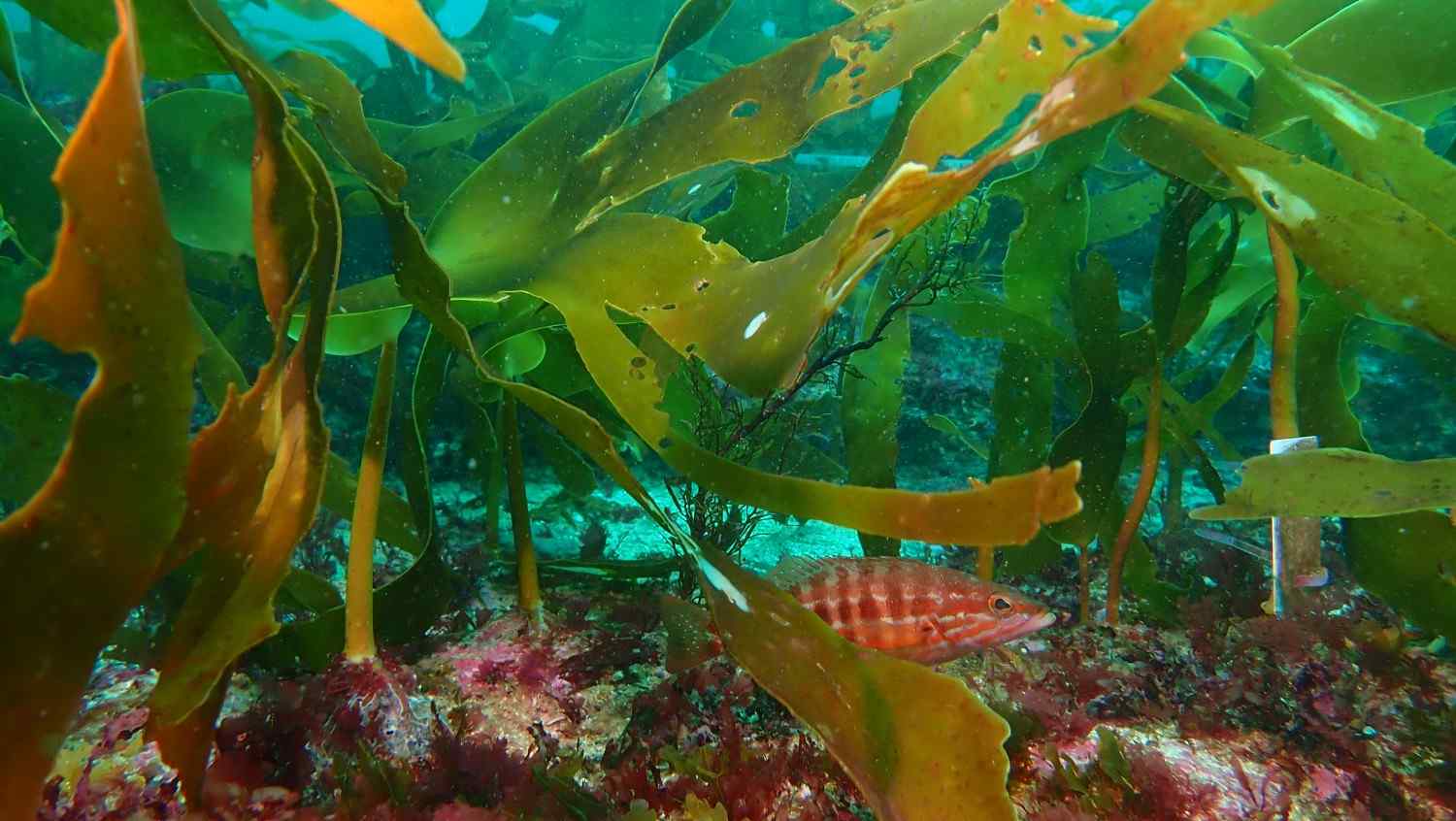
Underwater seaweed forests - often described as the “rainforests of the ocean” - are essential for healthy marine ecosystems. They provide shelter and food for fish, octopus, crabs, and many other species, support local fisheries, and help stabilise coastal environments. These forests also absorb carbon dioxide and release oxygen, contributing to climate regulation. However, they are rapidly disappearing worldwide due to warming waters, pollution, overfishing, and habitat loss. Restoring them is crucial to protect marine life and strengthen the resilience of coastal ecosystems.
In addition to restoring biodiversity, the project enhances carbon sequestration, improves nutrient balance and helps rebuild coastal fish stocks, all of which strengthen the overall health and resilience of marine ecosystems.
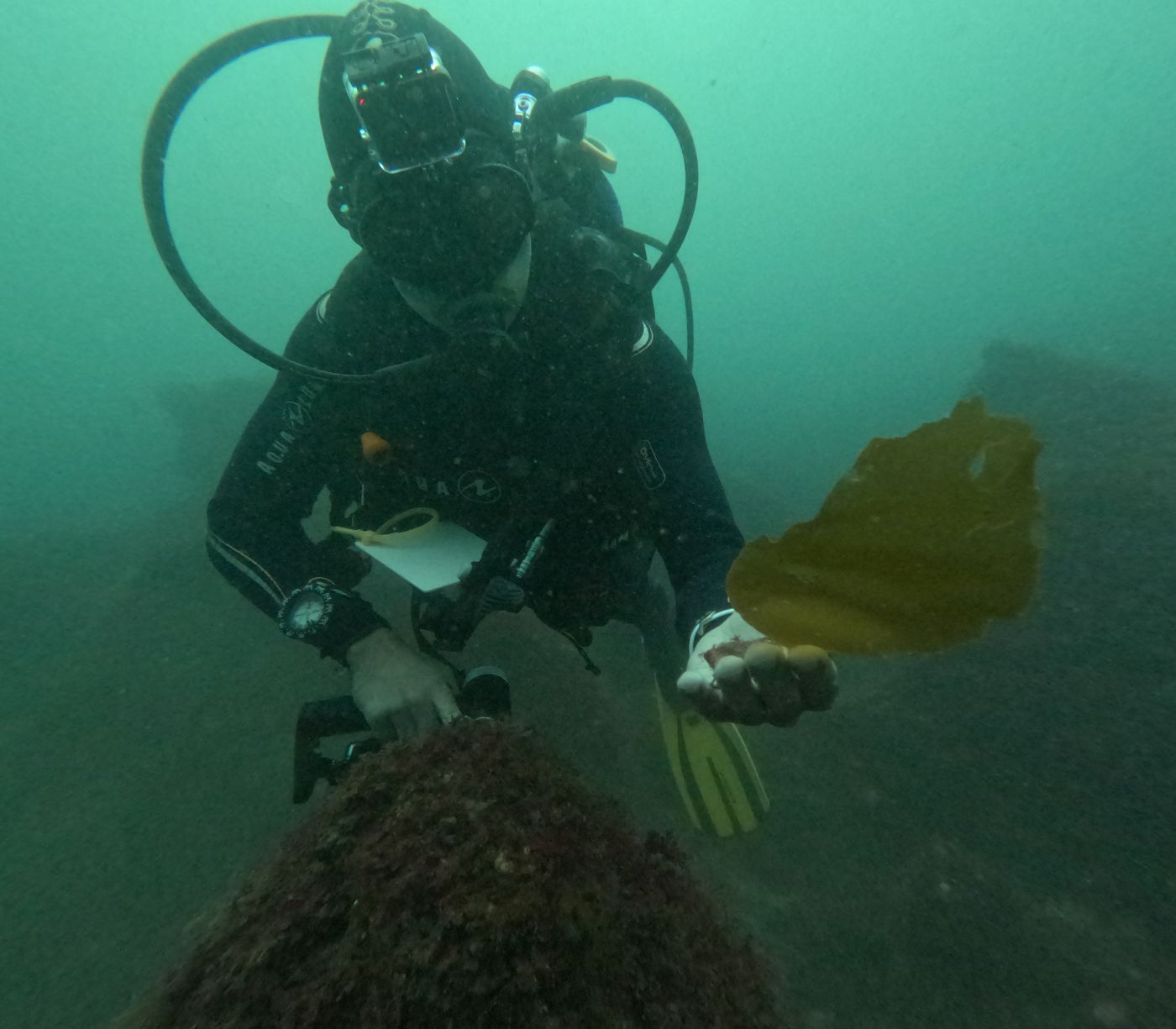
SeaForester’s restoration work is carried out in collaboration with research institutions, municipalities, and international partners. Through this project, SeaForester aims to accelerate the recovery of native seaweed forests and demonstrate scalable solutions for restoring degraded marine ecosystems.

Direct
Restoration of marine ecosystems and ocean health: This loan will enable Seaforester to expand the area under restoration by scaling up production and deployment of seeded materials of seven more hectares for future kelp forests, reaching ten hectares under operation. The promoter will track ecological outcomes supported by new investments in cost saving direct seeding methods and pilot projects with remote monitoring partners. Once restored, the kelp ecosystems can continue to grow, spread, and regenerate for more than 20 years, creating enduring environmental and economic impact for coastal communities, beyond ecosystems benefits.
Partnerships for research and development (R&D): Seaforester has joined forces with Instituto Politécnico de Leiria, MARE IPLeiria, Institute of Marine Research, Seaweed Solutions, The University of Western Australia and Alfred Wegener Institute towards a common goal: to combine their unique strengths and expertise to optimize scalable seed production techniques, pioneer innovative seeding approaches, and to develop tools that enable large scale marine restoration, fostering R&D.
Awareness for oceans sustainability and local engagement: coastal communities have a key role in the dissemination of information about ocean health and biodiversity. SeaForester’s relationship with the Municipality of Cascais has enabled high visibility through educational beach boards, making knowledge about underwater ecosystems accessible to residents and visitors, raising awareness about the role of kelp forests. A collaboration with local diving schools expands this impact by building technical capacity within the recreational diving community, transforming divers into active contributors to monitoring activities, habitat mapping and building local capacity for marine conservation. At the same time, the connection to fishing communities strengthens the project’s foundation by integrating traditional knowledge and ensuring that restoration efforts align with local maritime realities, supporting on logistics and sharing intimate knowledge of local reef system.
Indirect
Contribution to the restoration of fish stock: Seaforester is advancing on seaforestation approaches that contribute to one ton of fish available for harvest per hectare of kelp forests. This way, the promoter contributes to improve significantly to the restorarion of fish stocks, and to local fisheries. Committed to enhancing the accuracy and reliability of impact, the company is improving its monitoring data and methodology while continuing scientific research.
Contribution to strengthening ecosystems that fight climate change: According to research, kelp forests remove on average an estimated 146 kilograms of phosphorus and nitrogen per hectare each year that can significantly improve coastal water quality. Additionally, recent empirical measurements indicate that Portuguese kelp forests can sequester a conservative average of 2.809 tons of carbon sequestered per year per hectare once restored forests are fully established.


Direct
Restoration of marine ecosystems and ocean health: This loan will enable Seaforester to expand the area under restoration by scaling up production and deployment of seeded materials of seven more hectares for future kelp forests, reaching ten hectares under operation. The promoter will track ecological outcomes supported by new investments in cost saving direct seeding methods and pilot projects with remote monitoring partners. Once restored, the kelp ecosystems can continue to grow, spread, and regenerate for more than 20 years, creating enduring environmental and economic impact for coastal communities, beyond ecosystems benefits.
Partnerships for research and development (R&D): Seaforester has joined forces with Instituto Politécnico de Leiria, MARE IPLeiria, Institute of Marine Research, Seaweed Solutions, The University of Western Australia and Alfred Wegener Institute towards a common goal: to combine their unique strengths and expertise to optimize scalable seed production techniques, pioneer innovative seeding approaches, and to develop tools that enable large scale marine restoration, fostering R&D.
Awareness for oceans sustainability and local engagement: coastal communities have a key role in the dissemination of information about ocean health and biodiversity. SeaForester’s relationship with the Municipality of Cascais has enabled high visibility through educational beach boards, making knowledge about underwater ecosystems accessible to residents and visitors, raising awareness about the role of kelp forests. A collaboration with local diving schools expands this impact by building technical capacity within the recreational diving community, transforming divers into active contributors to monitoring activities, habitat mapping and building local capacity for marine conservation. At the same time, the connection to fishing communities strengthens the project’s foundation by integrating traditional knowledge and ensuring that restoration efforts align with local maritime realities, supporting on logistics and sharing intimate knowledge of local reef system.
Indirect
Contribution to the restoration of fish stock: Seaforester is advancing on seaforestation approaches that contribute to one ton of fish available for harvest per hectare of kelp forests. This way, the promoter contributes to improve significantly to the restorarion of fish stocks, and to local fisheries. Committed to enhancing the accuracy and reliability of impact, the company is improving its monitoring data and methodology while continuing scientific research.
Contribution to strengthening ecosystems that fight climate change: According to research, kelp forests remove on average an estimated 146 kilograms of phosphorus and nitrogen per hectare each year that can significantly improve coastal water quality. Additionally, recent empirical measurements indicate that Portuguese kelp forests can sequester a conservative average of 2.809 tons of carbon sequestered per year per hectare once restored forests are fully established.
Promoter website
Lorem ipsum dolor sit amet, consectetur adipiscing elit. Suspendisse varius enim in eros elementum tristique. Duis cursus, mi quis viverra ornare, eros dolor interdum nulla, ut commodo diam libero vitae erat. Aenean faucibus nibh et justo cursus id rutrum lorem imperdiet. Nunc ut sem vitae risus tristique posuere.
0%
50000000
minimum
50000000
target
50000000
maximum
Closed
open projects you may likegrow it every monthTurn occasional investments into a disciplined, diversified strategy. Set your preferences, and Auto-Investment will match opportunities automatically — so your money work while life gets busy.

Get an instant simulation and receive an offer within 48 hours.

Track projects, manage investments, and follow your returns.