
.webp)
Dear community,
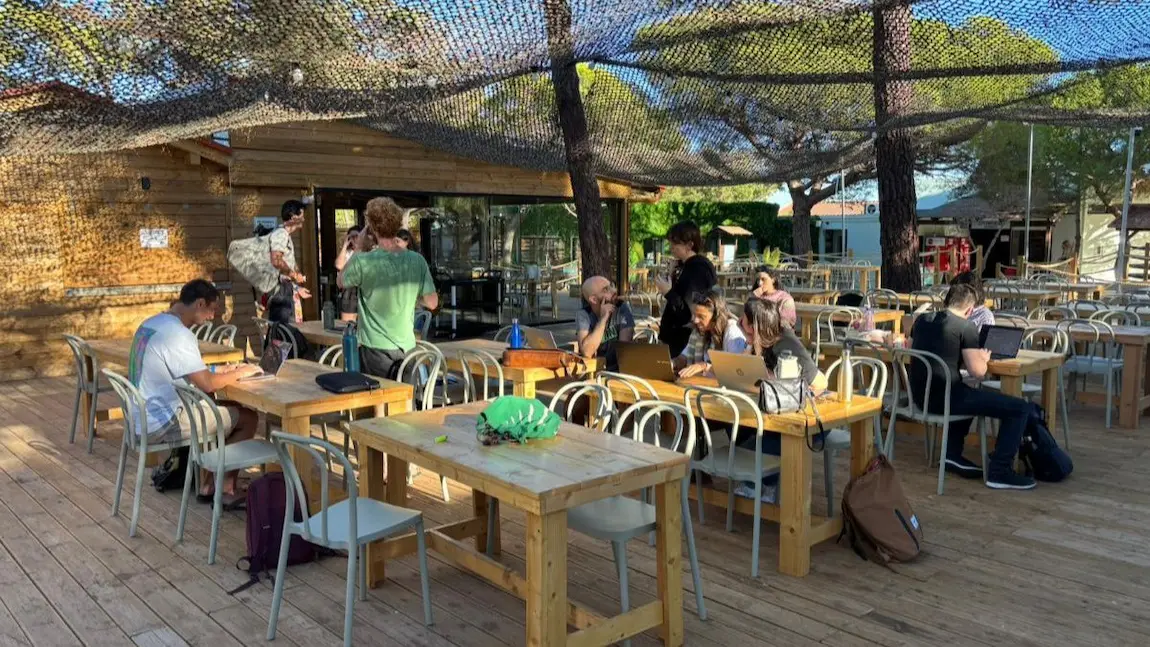
You probably don’t know this about me, but one of my first post-university jobs was at the European Parliament. After a short experience in certification and inspection when I graduated, I was lucky enough to meet someone (surfing, because that’s how life goes) who offered me an unpaid internship in the European Parliament in Brussels. I knew nothing about politics, but it was a technical assistance role abroad, so I took it.
When I was about to finish that internship, nearly broke and unemployed, presidential elections took place in Portugal. The new president hired staff from the European Parliament, and I was invited to stay.
In the European Parliament, I followed the Environment, Research & Industry and Energy commissions. For two more years I lived inside the European project, had colleagues from more than 25 different countries, and learned from important politicians, scientists, debates, NGOs and industry representatives. I supported decision making in several important policies, including the “20-20-20” package, a flagship initiative that reinforced Europe’s political leadership in renewables and climate.
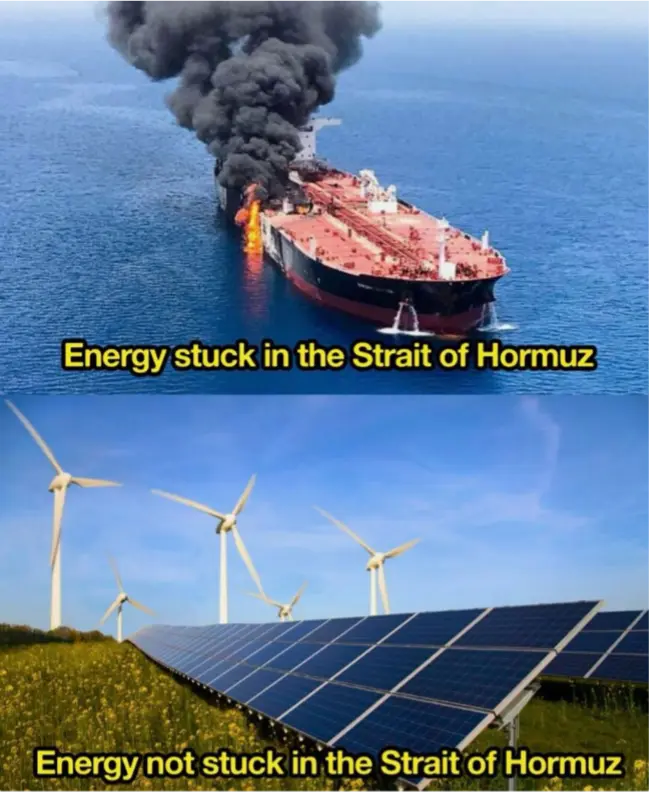
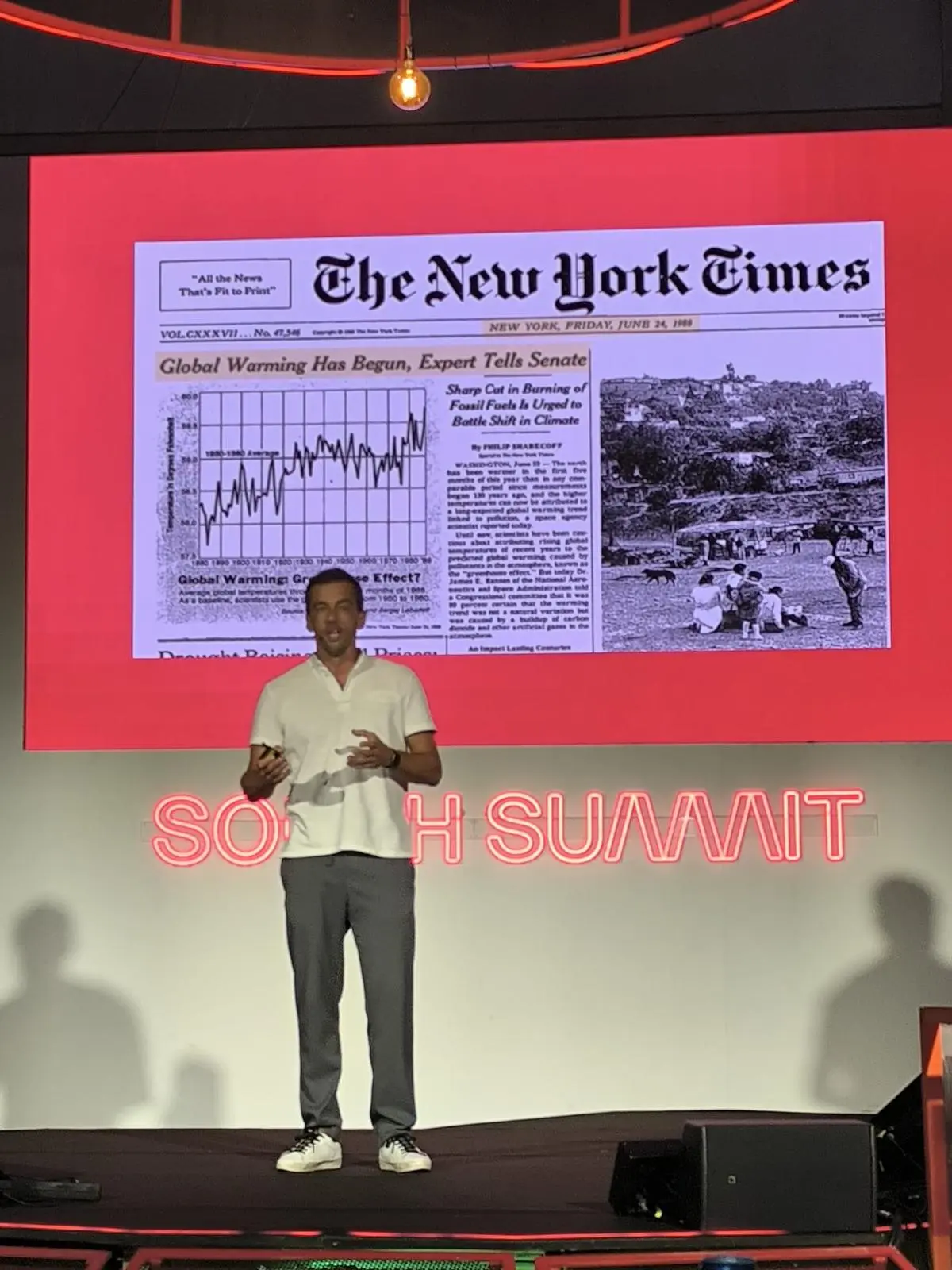
This picture I saw recently in a LinkedIn post reminded me of those days in the mid-2000s. Every piece of energy policy discussed included words like “secure”, “competitive” and “energy independence” alongside others like “clean”, “decentralised” and “affordable”. This green paper is where it all started (for me, of course).
As much as critiques contested and lobbyists rallied against it, the European Commission always had it very clear: yes, it is possible, and we should push for the best of two worlds (actually three): energy can be clean, secure and affordable.
20 years later, renewables, especially solar and wind, keep steadily “shocking” the energy markets with low electricity production costs all over the world and solar achieved grid-parity almost all over Europe during the 2010s.
At Goparity, our community has been part of this shift. Nearly half of all projects on our platform fall under the Sustainable Energy category, representing over 20,7 million euros lent.
Together, we estimate that all the projects we funded generate 36.4GWh per year. Considering only the 150 settled loans we actually measured, their confirmed real-world impact already is 6,7 GWh generated or saved, and 14.000 tonnes of CO₂ avoided per year (equivalent to planting more than 600.000 trees).
These are numbers we could only have dreamed of seeing from citizen-led finance back in Brussels, those days.
Highlights of the quarter
🌱 Stronger impact methodology: we worked with the UNDP Alternative Finance Lab to improve our impact framework, refining categories, aligning with the SDGs, and strengthening how we measure and communicate impact.
👥 Bring a friend (or more): we launched a renewed referral programme. Share your link, and if your friend invests 20€, you both get 20€ more to invest. Like the 20-20-20 policy back in Brussels.
🤝 Equity investing: following the acquisition of Bolsa Social, we launched our first equity campaigns in Spain under the "Bolsa Social by Goparity" brand. The next one will be live on Goparity directly.
♀️FemTech Portugal partnership: we signed a partnership with FemTech Portugal to open the underfunded women's health innovation projects to our community, reflecting a longer-term commitment to gender equity in finance, which I first wrote about in 2023.
🇲🇾 First project in Southeast Asia, with a first-loss guarantee: two milestones in one campaign.
Aquila is Goparity's first project in Malaysia, financing 58 rooftop solar systems for Malaysian households, generating 696 MWh of clean energy per year and avoiding 538 tonnes of CO₂ annually. Aquila helps small and medium-sized businesses across Southeast Asia access clean energy funding, and this campaign specifically enables Malaysian families to install rooftop solar with no upfront cost.
For the first time, a Goparity campaign comes with a first-loss guarantee. Energy4Impact, powered by Mercy Corps, has activated a 60,000€ first-loss guarantee, meaning that in the event of any capital loss, 20% of your loan amount is covered, on top of Aquila's existing security package.
A first-loss guarantee has been one of the most requested features by our community. Structures like this help unlock private capital for communities where financing is the main barrier to clean energy adoption. This is exactly the kind of problem we want to tackle.
Impact Report 2025
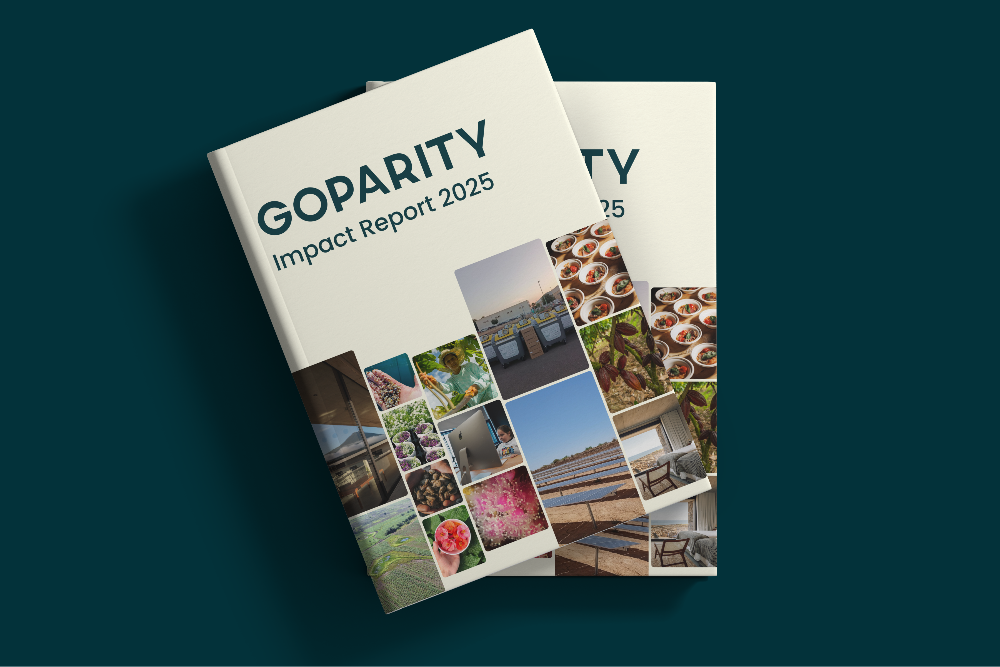
One question has always been at the heart of what we do: does this actually work? Not in the abstract, in real, measurable terms. Our Impact Reports are our most honest attempt to answer that and I'm proud to say the 2025 edition is now live.
This year, we set out to make the link between capital and impact more explicit: how much does each euro you invest actually change? We gathered data across all funded projects, linked it to measurable indicators, and translated it into concrete, comparable numbers. The result is a report that reflects not just what we've built, but what your investment contributes to.
I hope it brings to life what your money is really building.
News from our projects
🌊 Sea4Pain's clinical trial application or their analgesic program has been approved. This is a major scientific milestone for Sea4Us.
🌿 Valcon Medical has strengthened its EU-GMP manufacturing capabilities and established a partnership with a major European pharmaceutical company. It has also already created 3 of the 10 jobs it committed to when taking out the loan.
🫔 Artisan Tropic's new food-grade processing facility and integrated production equipment are on track to be completed by the end of 2026 or early 2027.
🏗 Vila Sustainable School: full recovery achieved.
I've written about credit recovery many times in these newsletters, and I'll keep doing so because transparency on this is non-negotiable. This one is worth celebrating.
After the first three loans (I, II, III) to Vila Sustainable School entered default during the first quarter of 2025, our team initiated formal recovery proceedings to enforce the property collateral that backed them.
On the 27th April, the sale of the property was completed, and on the 6th of May the full capital and interest have been transferred to investors' wallets.
This is one of the most important recovery outcomes in Goparity's history and it reflects a few things I frequently talk about:
- The importance of real collateral backing secured projects;
- The value of diligent, persistent legal work;
- The importance of patience: recovery and negotiation take time, involve third-parties and very often courts which work at their own pace.
And there is an important positive note for impact, too: the school will continue to operate, only the building changed owner.
Coming up
🎨 Brand Update: You'll soon notice that Goparity sounds and looks a little different. Not a rebrand, an evolution. And you won't find a single AI-generated image in it. The projects our community funded over the years tell the story better than anything a machine could generate.
🖥️ New website:🎨 A new website is on its way too. We've built it to reflect how far the platform has come and to make room for what's coming next: a broader range of sustainable investment options, all in one place.
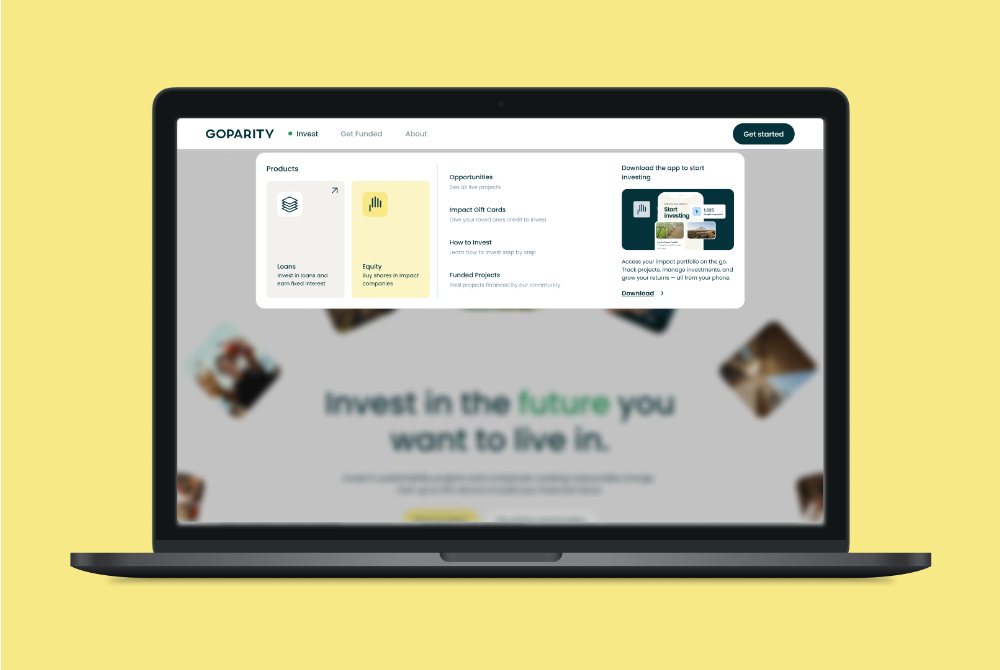
🤝 First equity campaign: The Goparity community will be able to invest in equity directly on Goparity. A milestone we have been working towards for a long time, and one that opens a new chapter in what impact investing can mean on this platform.
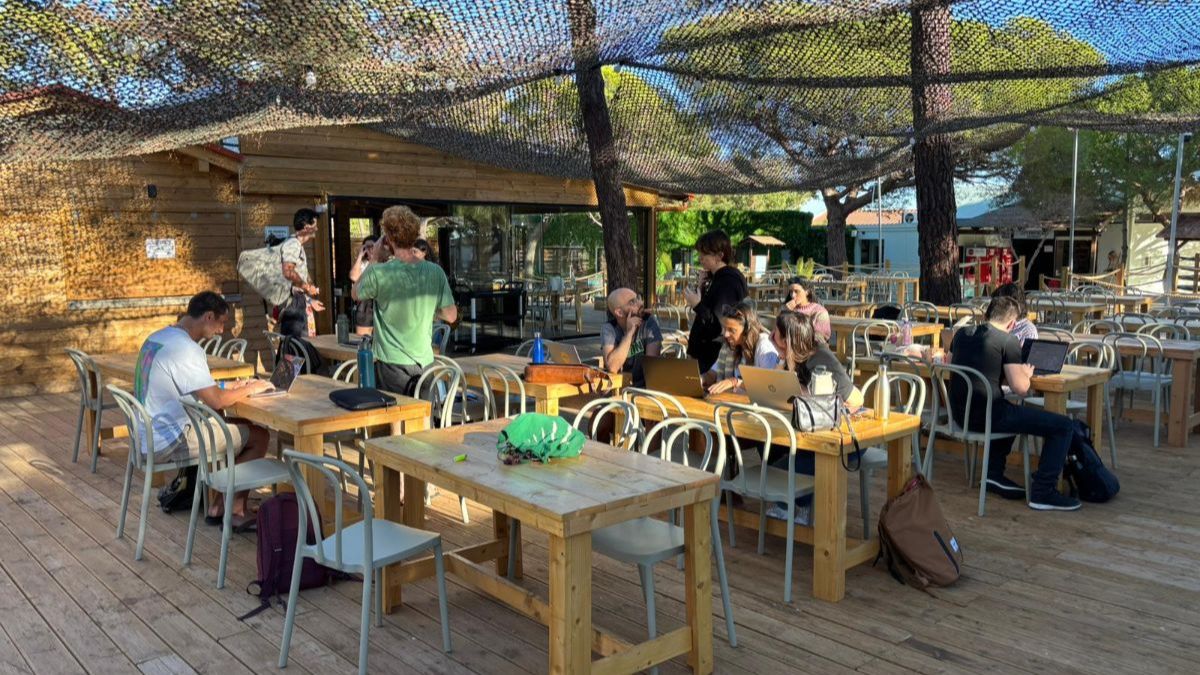
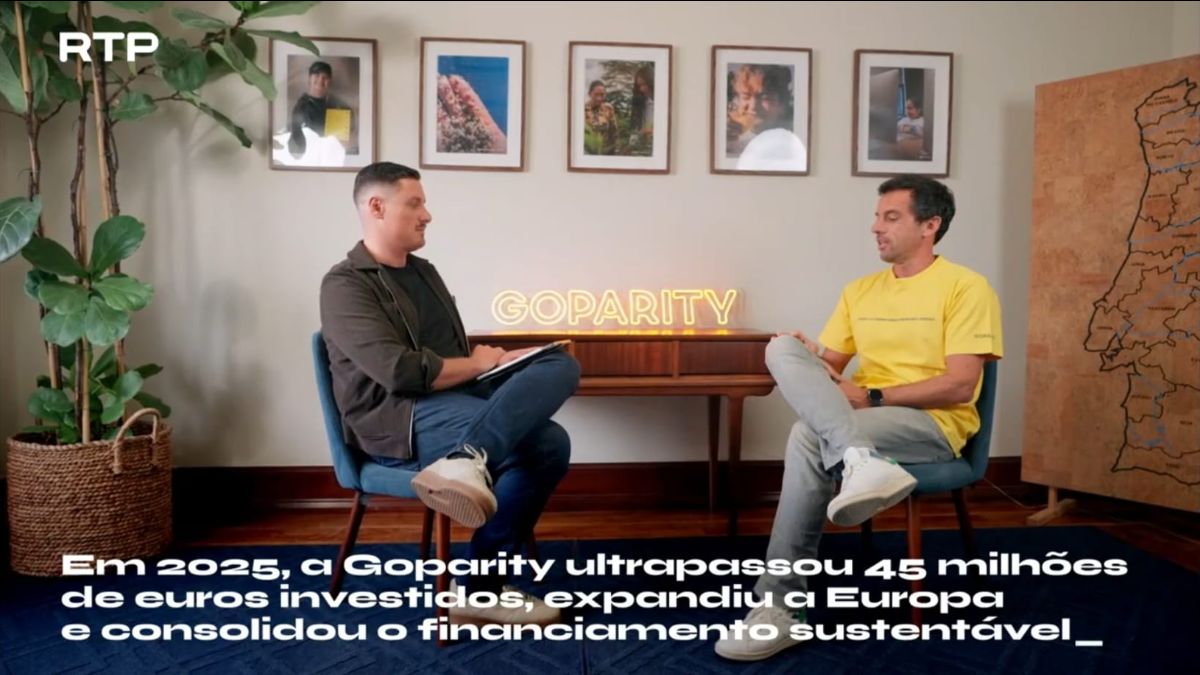
📺 We were on TV
We were featured in an episode of Inteligência Portuguesa on 11 May. You can catch the episode, which is in Portuguese:
- Live on 17 May 2026 in RTP Mundo Ásia
- Live on 24 May 2026 in RTP Mundo
- At any time, if you are located in Portugal, on RTP Play here ->>
🙋♂️ The question
Part of what makes Goparity different is who we grow with! And that includes the companies we can now support all the way through their journey, from early-stage ambition to scaled impact.
So I want to ask you: which brand or company would you love to see on Goparity?
🎵 Music note: Lately I’ve been listening to “She’s a rainbow” by the Rolling Stones a lot. A song that could be about a girl or love, but also about spring and bringing color to an otherwise grey world. Spring always feels like an opportunity, or the setup for something good or big. That’s what it feels like at Goparity nowadays.
If you believe in what we’re building at Goparity, please share your experience here. Your feedback not only helps us improve, but also helps more people discover impact investing.

.svg)

.svg)
.svg)

.svg)
.svg)
.svg)
.svg)