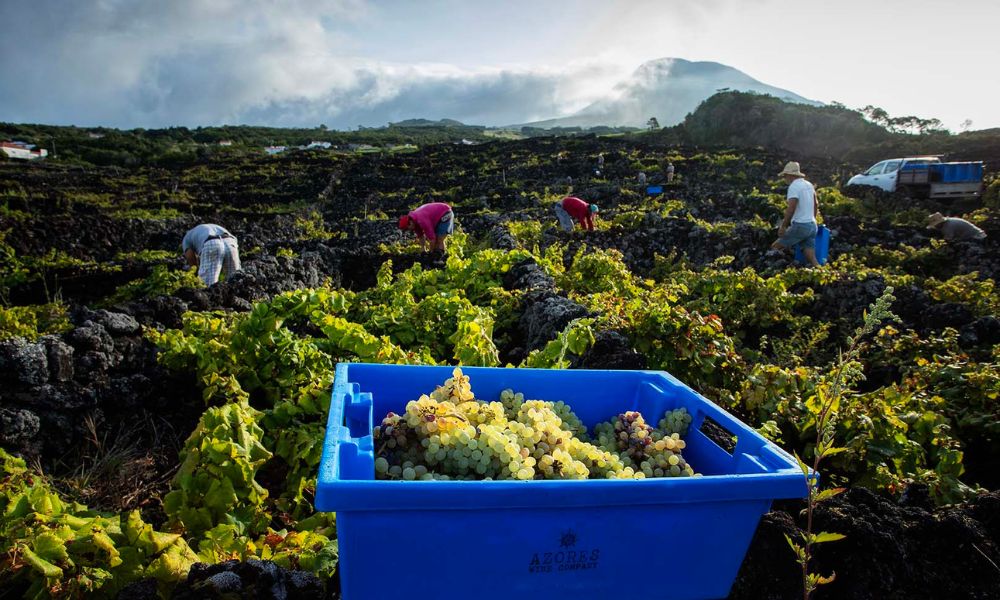
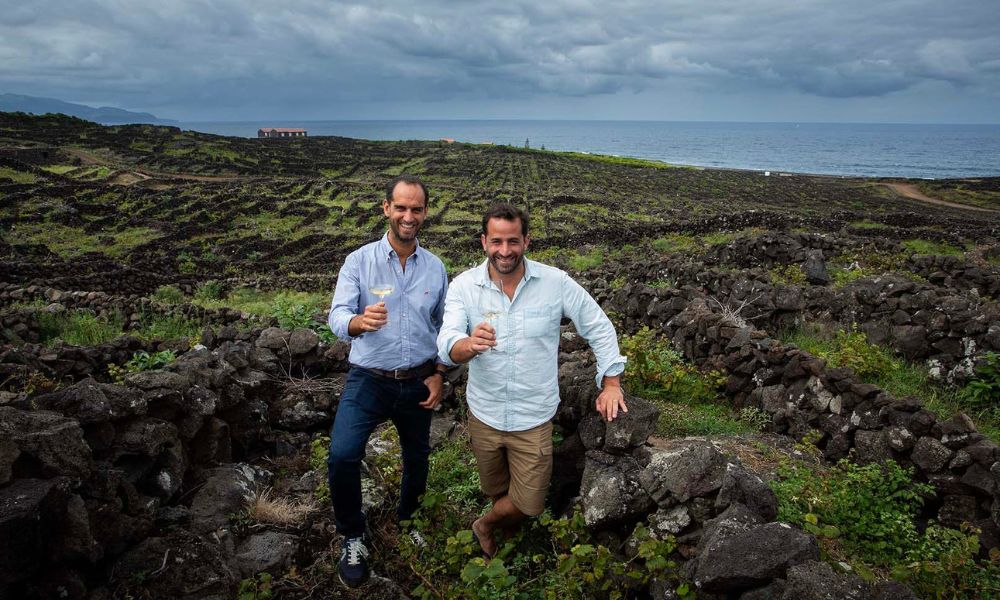
The Azores Wine Company develops its' activity between winegrowing, winery, wine and wine tourism on the island of Pico, in the Azores archipelago.

The funds raised through this campaign will be used to finance the company's cash-flow, that is, the company's general activity focused on the production and promotion of Pico's volcanic wines, the recovery of native grape varieties and Azorean wine tourism.
This project is meant to recover native grape varieties from the Azores and “give them back to the world”, such as the recovery of Terrantez do Pico, an endangered variety, Arinto dos Açores, Verdelho, Saborinho and Boal.
Over the years, the Azores Wine Company has been investing significantly in the recovery of vineyards, native grape varieties and the implementation of an organic viticulture project, which involves high research costs and the development of organic production practices adapted to the particularities and challenges of the island of Pico. At the moment, the company has 50 hectares of vines in the production phase and intends to implement organic production throughout this area.
The goal is to produce wines certified as organic, which express the uniqueness of Pico's vineyards while respecting the preservation of the balance of our ecosystem.
Conservation of cultural heritage: The Landscape of Vine and Wine Culture on Pico Island in the Azores is a UNESCO World Heritage Site, so there is a commitment to caring for the region and its history. As such, Azores Wine Company is committed to the conservation and promotion of the local heritage, firstly by maintaining elements of the island's landscape in good condition, such as the volcanic stone corrals that protect the vineyards from the sea and mountain winds, by avoiding techniques that compromise the historical integrity of the landscape and by implementing agricultural practices that respect local biodiversity. In addition, the promoter is implementing recovery processes for several of the island's historic grape varieties, some of which are at risk of extinction. In this way, the recovery seeks to conserve genetic diversity, promote sustainable agricultural practices and enhance cultural heritage, since these varieties are an integral part of the region's history and identity and represent centuries of tradition and knowledge.
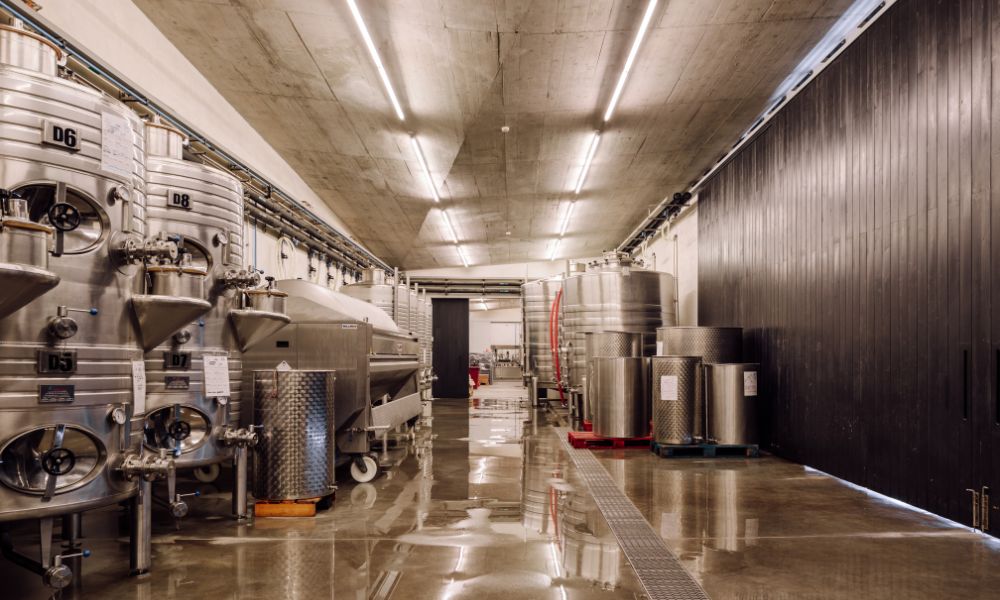
Sustainable wine production: This funding will be used by the promoter to develop and implement organic production measures, so that in approximately four years they can obtain organic production certification. The Azores Wine Company produces wines using sustainable agricultural practices, in which they use ground cover cloth, lapili and sheep in the vineyards to replace chemical fertilizers, preventing erosion, controlling weeds and promoting biodiversity. The shape and structure of the new winery building allows rainwater to be collected and stored in a tank, which enables sustainable use of the water needed for vineyard processes. The promoter also has solar panels to generate around 25% of the energy to be used in the winery, and has used responsible construction practices that enable greater energy efficiency and reduced consumption and greater thermal comfort, such as natural thermal insulation in the walls, natural ventilation and optimized natural lighting.
Promoting responsible tourism: In addition to producing wines, the Azores Wine Company also promotes wine tourism combined with environmental sustainability and social and cultural responsibility on Pico Island in the Azores. The food used in the restaurant is called “Km 0” because it comes from regional and organic producers, giving preference to seasonal products. The promoter focuses on eliminating waste and reducing non-reusable or non-recyclable elements. The Azores Wine Company's 38 employees are mostly local professionals, adding value to the region's economy.



Conservation of cultural heritage: The Landscape of Vine and Wine Culture on Pico Island in the Azores is a UNESCO World Heritage Site, so there is a commitment to caring for the region and its history. As such, Azores Wine Company is committed to the conservation and promotion of the local heritage, firstly by maintaining elements of the island's landscape in good condition, such as the volcanic stone corrals that protect the vineyards from the sea and mountain winds, by avoiding techniques that compromise the historical integrity of the landscape and by implementing agricultural practices that respect local biodiversity. In addition, the promoter is implementing recovery processes for several of the island's historic grape varieties, some of which are at risk of extinction. In this way, the recovery seeks to conserve genetic diversity, promote sustainable agricultural practices and enhance cultural heritage, since these varieties are an integral part of the region's history and identity and represent centuries of tradition and knowledge.
Sustainable wine production: This funding will be used by the promoter to develop and implement organic production measures, so that in approximately four years they can obtain organic production certification. The Azores Wine Company produces wines using sustainable agricultural practices, in which they use ground cover cloth, lapili and sheep in the vineyards to replace chemical fertilizers, preventing erosion, controlling weeds and promoting biodiversity. The shape and structure of the new winery building allows rainwater to be collected and stored in a tank, which enables sustainable use of the water needed for vineyard processes. The promoter also has solar panels to generate around 25% of the energy to be used in the winery, and has used responsible construction practices that enable greater energy efficiency and reduced consumption and greater thermal comfort, such as natural thermal insulation in the walls, natural ventilation and optimized natural lighting.
Promoting responsible tourism: In addition to producing wines, the Azores Wine Company also promotes wine tourism combined with environmental sustainability and social and cultural responsibility on Pico Island in the Azores. The food used in the restaurant is called “Km 0” because it comes from regional and organic producers, giving preference to seasonal products. The promoter focuses on eliminating waste and reducing non-reusable or non-recyclable elements. The Azores Wine Company's 38 employees are mostly local professionals, adding value to the region's economy.
Promoter website
Lorem ipsum dolor sit amet, consectetur adipiscing elit. Suspendisse varius enim in eros elementum tristique. Duis cursus, mi quis viverra ornare, eros dolor interdum nulla, ut commodo diam libero vitae erat. Aenean faucibus nibh et justo cursus id rutrum lorem imperdiet. Nunc ut sem vitae risus tristique posuere.
0%
22040000
minimum
27550000
target
27550000
maximum
Closed
open projects you may likegrow it every monthTurn occasional investments into a disciplined, diversified strategy. Set your preferences, and Auto-Investment will match opportunities automatically — so your money work while life gets busy.

Get an instant simulation and receive an offer within 48 hours.

Track projects, manage investments, and follow your returns.