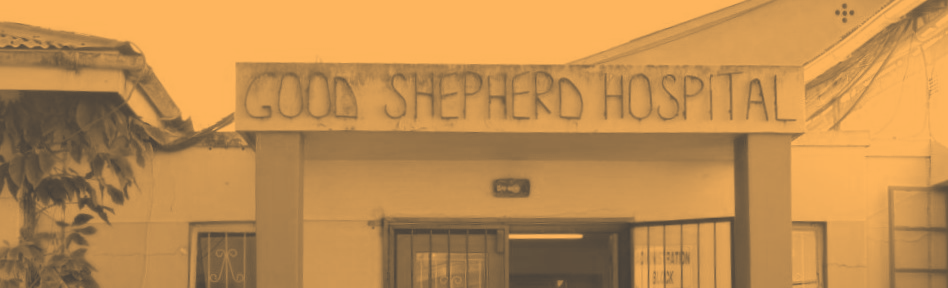
This campaign will be used to co-finance the energy independence and stability of the Good Shepherd Mission Hospital in Eswatini (previously named Swaziland), via the installation of a renewable energy solution which uses biomass and energy from the sun (“SolarWood”). The global financing of this pioneering project is 950.000€. Multiply Energy, the promoter of this campaign, will invest 300.000€ in the project, of which 100.000€ will be raised via this campaign, and the rest will come from the Nordic Development Fund, an international cooperation fund established by the 5 nordic countries in Europe (Denmark, Finland, Iceland, Norway, and Sweden) and by a company that is present in the local market - Wundersight Investments PTY.
The difficulty supplying stable and cost-efficient energy to remote locations led Innovakeme, a Portuguese company headquartered in Funchal, Madeira, to develop the solution SolarWood - a modular, scalable and replicable solution which integrates the production of energy from biomass and the sun, whilst ensuring a stable supply of electricity and heat to remote locations, without compromising on the economic viability in the regions where it is installed. The solution consists of the integration of 4 containers, made according to the European Union’s high-quality standards and with the following functions:
- Chip wood manufacturing and drying;
- Combined heat and power biomass plants;
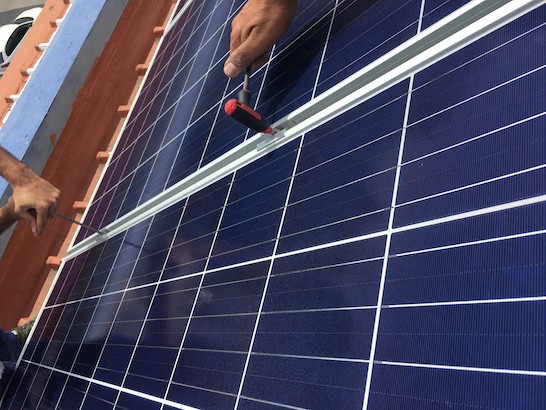
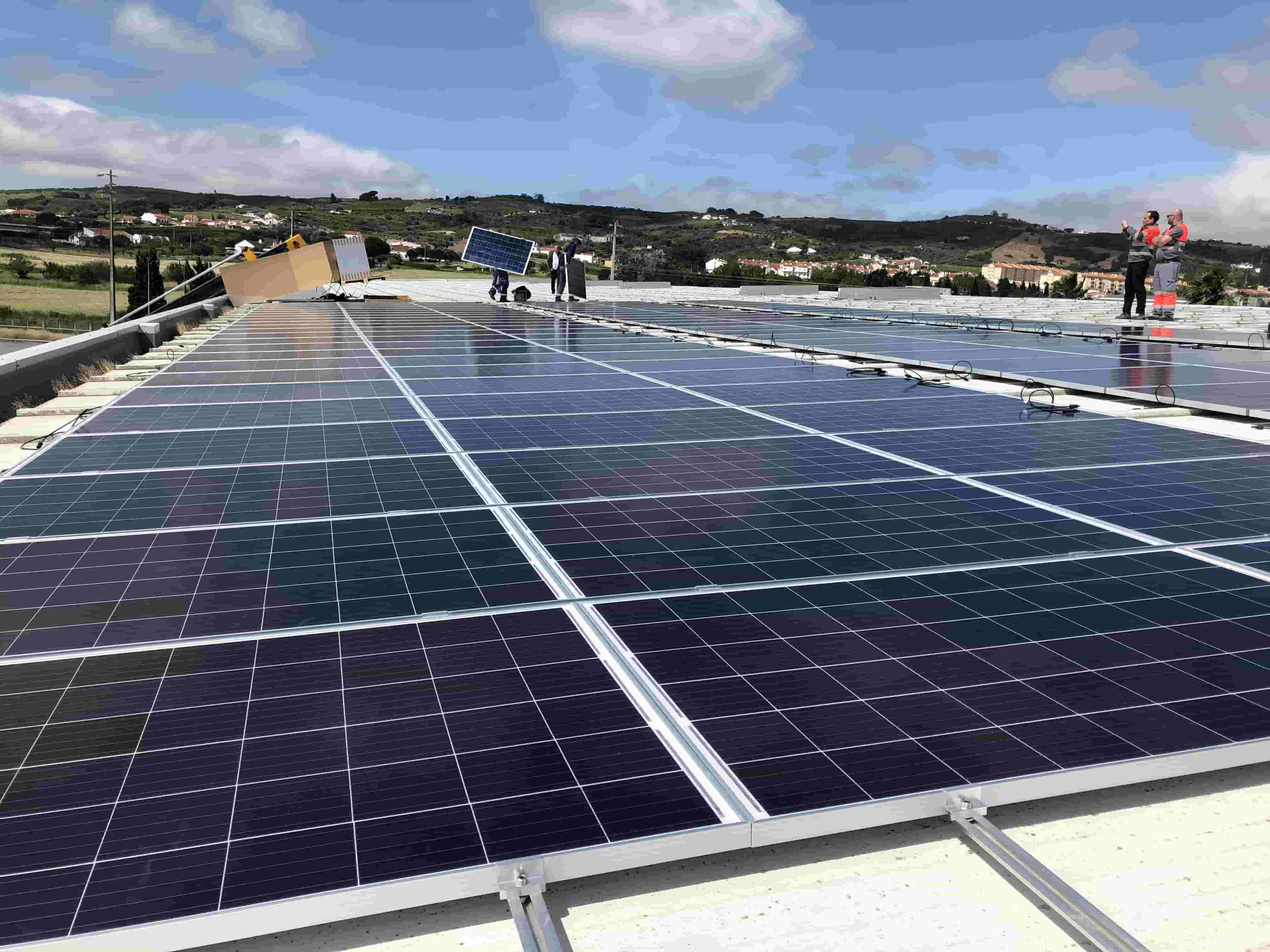
- Energy production from solar panels;
- Storage and energy management system.
After being manufactured, these units are sent by boat to Lubombo, the region where the hospital is located, and they will be installed. The promoter of the project is in charge of training a local technical team that will be responsible for operating the system and guaranteeing the supervision and monitoring of the solution. This combination of biomass and solar energy, batteries, and the quick and simple installation make this solution perfect for remote communities. The average time for the whole operation is around 4-6 months, from the moment the order is made to the beginning of the energy production.
The SolarWood solution received financial support from Programa Madeira 14-20, a regional program from Portugal 2020, an agreement adopted between Portugal and the European Commission that gathers five European Structural Funds and Funds for Investment.
The Good Shepherd Mission Hospital, located in the city of Siteki, in the region of Lubombo, in Eswatini, was founded in 1949 by the Catholic Church. In 2009, it became a parastatal organisation – even though the land and the building belong to the Catholic Church, who manages it. The hospital has a capacity for 225 beds with an occupation rate that reaches 130%. The institution is responsible for the health services in the whole Lubombo region, which represents one quarter the size of Eswatini and where around 212.000 people live, predominantly in rural areas. As well as this, the hospital is responsible for the supervision of 20 rural clinics in the region and it has a nursing school.
Financial Viability
The global financing (€ 950.000) will be divided in the following way: € 500.000 in an outright grant from the Nordic Development Fund; 300.000€ will be invested by Multiply Energy (€ 200.000 in equity and the remaining € 100.000 via a loan from GoParity), and € 150.000 will be invested by Wundersight PTY (a partner firm with various projects in the country).
A Special Purpose Vehicle (SPV) owned by Multiply Energy (66,66%) and by Wundersight Investments PTY (33,33%) was created especially for this project. This vehicle will have a contract with the hospital and bill the electricity and heating produced as well as the rent for the land where the solution will be located. The return of the project will be managed and then distributed by the SPV to its investors.
During the first year, the energy production will allow the Hospital to save around 10% of its energy costs relative to the value that they currently pay. This value will increase by 3% a year (due to inflation) but it will remain lower than the costs that the Hospital would be spending on maintaining the current supply, as inflation in the country is around 8%.
The funds raised thanks to this campaign will be released in the following way:
-
50% when the capital increase by the promoter of the project (Multiply Energy Lda) is confirmed;
-
40% as soon as the first step of the contract with the Nordic Development Fund is reached (proof that the financing structure of the project if fully assured);
-
10% when the first two containers are produced.
The Hospital depends on an annual grant from the Ministry of Health to provide the aforementioned services for all people in the Lubombo region, the poorest region in the country, at an affordable price.
Besides the impact this project has on the sustainable level and ensuring a stable electricity supply, it is also designed in order to ensure its economic viability.

.webp)














.svg)

.svg)


.svg)

.svg)
.svg)
.svg)
.svg)