
.webp)
.webp)
A Theory of Change describes and illustrates how and why a desired change is expected to happen in a given context, providing a roadmap for the financial and non-financial interventions required to bring it about.
Goparity’s theory of change describes how a community-based impact finance platform can redirect financial flows, so that more impact-driven organizations can emerge and grow, while a greater share of society actively participates in transforming the economy.
The problem
The current economic system is increasingly detached from real-world needs and the promotion of the common good, failing to internalize the social and environmental impacts and long-term costs of economic activity. At Goparity, we believe that the system that has caused this damage can and should be part of the solution.
Several structural drivers reinforce this dynamic: less than 1% of global financial assets are directed to sustainability and development; traditional banking continues to finance harmful industries; and individuals and organizations largely lack visibility on how their money fuels negative impacts.
This results in unequal and insufficient funding for sustainability and development, accelerating environmental degradation and eroding social well-being, while financial and impact literacy remain low among people and organizations. The consequences include a persistent 4 trillion USD global sustainability funding gap, continued environmental damage and weakening social cohesion, and limited awareness of financial alternatives that would allow people and organizations to align their choices with their values.
The solution
Goparity connects organizations to dedicated sustainability funding while empowering individuals to align their financial decisions with their world views and values. By catalyzing this connection, we raise awareness and strengthens financial and impact literacy among both people and organizations.
Through this approach, Goparity works towards a vision of an impact economy in which financial flows systematically support organizations with an impact purpose and where people and assets are consistently directed towards addressing social and environmental challenges. In this vision, agrifood systems, the blue and green economy, the social economy, and the energy system are all transformed so that production is sustainable, communities are resilient and inclusive, and energy is clean, affordable, and efficient.
The outcomes for key actors
For investee organizations, access to funding reduces their financing gap, enabling them to sustain and scale their operations while delivering solutions to social and environmental challenges. Impact assessment and advisory support deepen their impact literacy and strengthen their capacity to understand, manage, and enhance their social and environmental performance.
For investors, the platform increases the proportion of their finances allocated to impact, supports the growth of their savings or investable resources, and improves their financial and sustainability literacy. This contributes to greater financial autonomy and a stronger sense of impact agency.
Systemic and thematic impacts
Through the projects it finances, Goparity applies this Theory of Change across several thematic areas, contributing indirectly to systemic transformation in agrifood systems, the blue and green economy, the social economy, and sustainable energy.
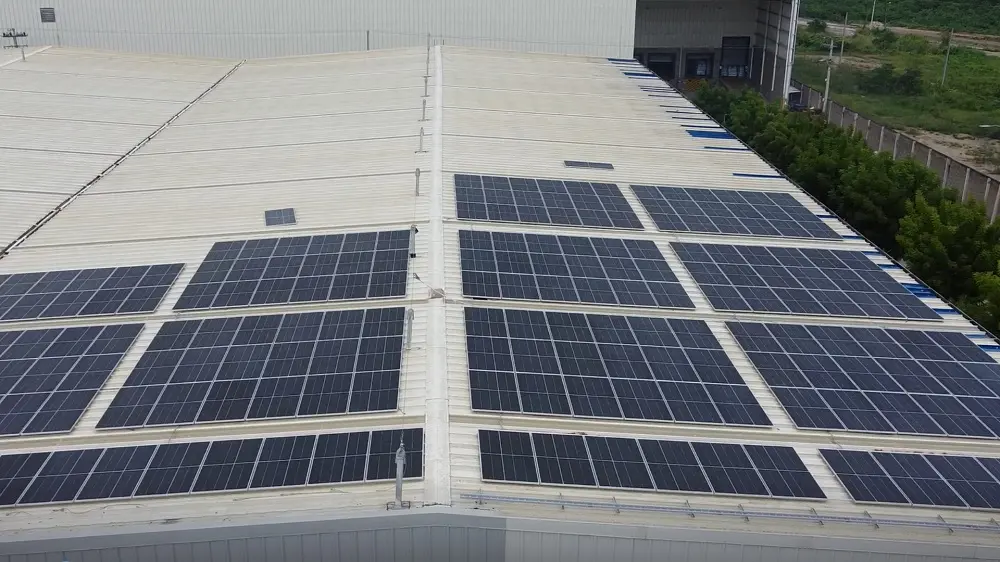
- Sustainable energy: Contributing to the expansion of sustainable energy infrastructure, increasing clean energy production, and avoiding CO₂ emissions.
- Green economy: Supporting job creation, reducing energy intensity, increasing recycling rates and water-use efficiency, and expanding areas that are protected, certified, or under Indigenous-led protection.
- Agrifood systems: Increasing the share of land under sustainable agricultural practices, reducing food loss and waste, and improving the productivity and incomes of small-scale food producers.
- Blue economy: Contributing to the expansion of marine areas that are protected or under Indigenous management, increasing the share of sustainable fisheries, and reducing food loss and waste across blue value chains.
- Social economy: Beyond job creation, enhancing access to essential community services for the population, such as health, education, culture, and other foundational services that strengthen social cohesion.
.webp)


.svg)

.svg)


.svg)

.svg)
.svg)
.svg)
.svg)