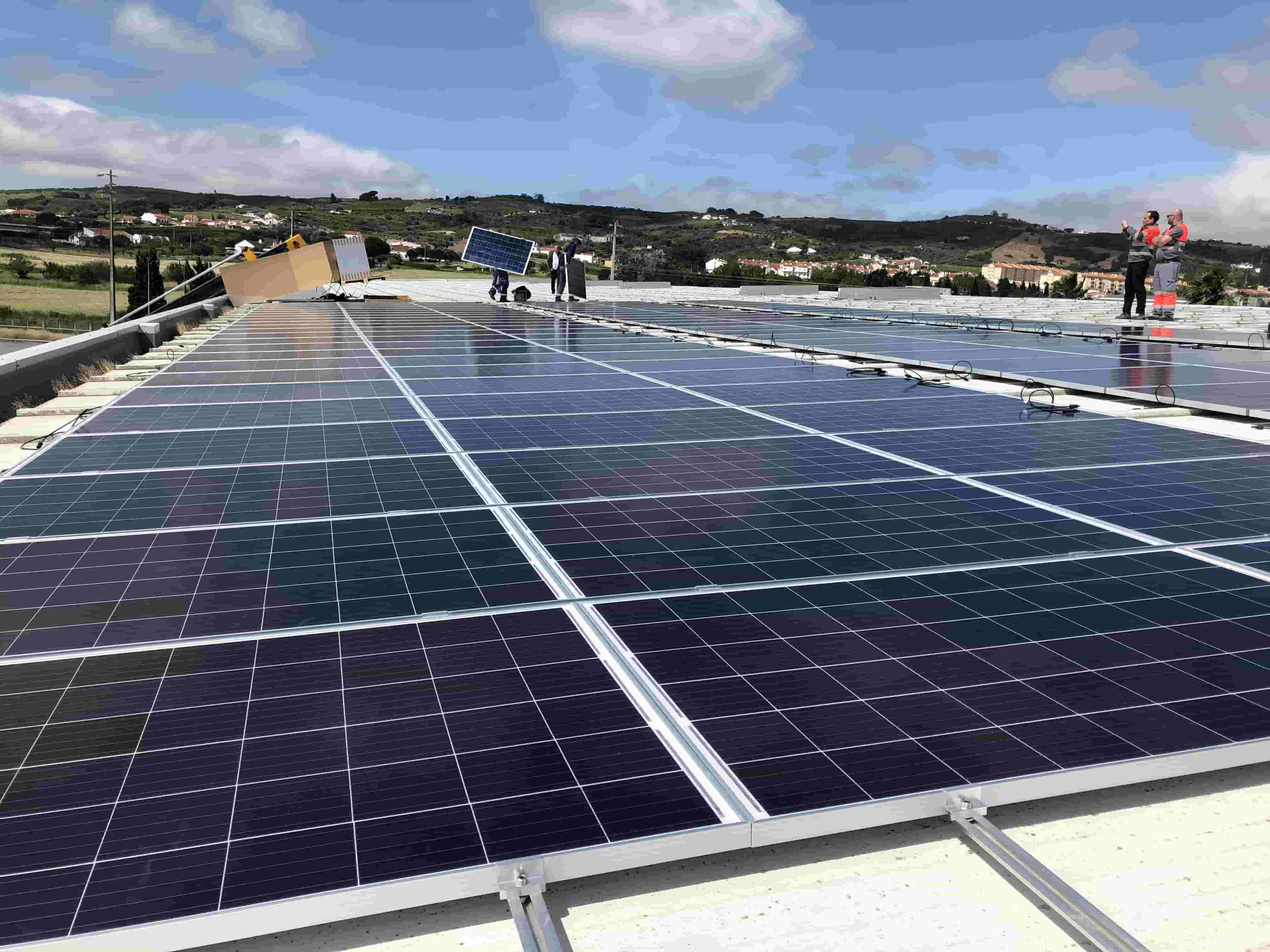
About Adega Cooperativa Cantanhede
Promotion of sustainable fuel alternatives: Jord's operations yield approximately 36,000 tons of sustainable biofuel per 1,000 hectares of land with C4 grass, grown regeneratively. The sustainable biofuel is a renewable alternative to fossil fuels, that can be used in a wide range of industries.
Contribution to carbon removal and mitigation of climate change impacts: through a validated methodology, Jord promotes carbon storage in the soil and in the biomass above the soil. The methodology also avoids further carbon emissions, by enabling burning biofuel instead of fossil fuels. Replacing fossil fuel with biofuel from Jord's first unit can avoid approximately 30,000 tons of CO2 from being emitted to the atmosphere every year.
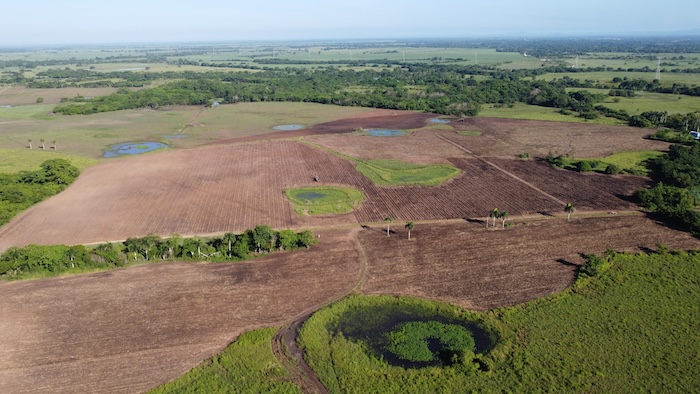
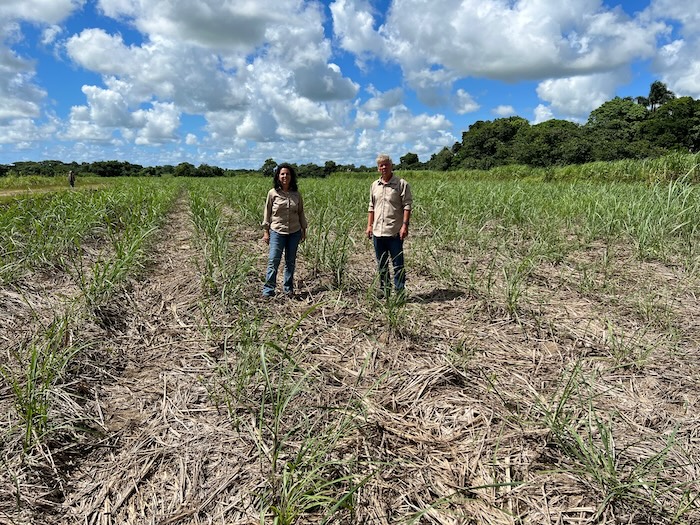
Restoration of degraded soil’s health and productivity: Within Jord’s business model, the land used for the C4 grass production, processed as biofuel, is marginal and degraded land – which means that those areas that are poor in nutrition and/or are not being used for agriculture are used with a better purpose.
The land is managed with a holistic regenerative agronomic plan in which from 8 to 12 years, the land goes through a regeneration phase, storing CO2 underground and nutrients from the biomass of the C4 grass. After that, comes a phase of around 2 years of food or commercial farming crops.
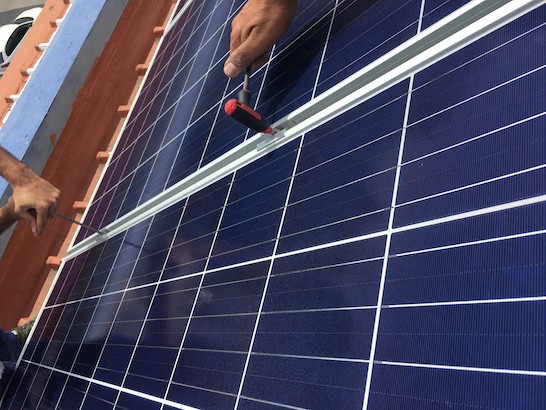
Sustainable production practices and decoupling growth from environmental degradation: At this stage, Jord's local factory is set to be 100% self-sustainable, utilizing no external grid resources. At the same time, Jord’s activities create jobs and aim for few to no layoffs resulting from the repurposing of coal factories.
Team
[{"id":155,"promoter_id":310,"name":"Peder Dagsanth","description":"In his capacity as CEO and Chairman, Peder brings extensive experience in both pellet production and successful leadership of industrial businesses. As the founder of Borga, he has led the company to a notable turnover of SEK 800 million, securing a top-three industry position in Sweden. With over 13 years in pellet production, Peder co-designed a production line focusing on tree pellets from sustainable sources. His diverse expertise enhances his strategic leadership within the organization.","link":"https://www.linkedin.com/company/jordab/","role":"CEO and Chairman","member_photo":"https://991934249232-prod-octobercms-public-storage.s3.eu-west-1.amazonaws.com/public/656/f3c/2de/656f3c2dec3e8935808868.jpg","avatar_id":122448},{"id":156,"promoter_id":310,"name":"Eva Teekens","description":"As Jord's Chief Commercial Officer, Eva plays a critical role in driving revenue generation and market expansion. Her focus extends to ensuring Jord's products reach target markets, generate revenue, and lead fundraising initiatives. With 14+ years dedicated to shaping collaborative partnerships that accelerate sustainable businesses, Eva brings a wealth of experience from roles at Oikocredit International, the Common Fund for Commodities, and the Rabobank Foundation.","link":"https://www.linkedin.com/in/evateekens/","role":"Chief Commercial Officer and Investor Relations","member_photo":"https://991934249232-prod-octobercms-public-storage.s3.eu-west-1.amazonaws.com/public/66c/f26/5f4/66cf265f40b4d771845647.jpeg","avatar_id":152677},{"id":157,"promoter_id":310,"name":"Stefan Jönsson","description":"With a professional tenure spanning two decades in engineering and technical development, Stefan serves as the Technical Director at Jord, where he effectively applies his extensive experience. Having previously held managerial roles in production line establishments, Stefan brings a wealth of expertise to his current position. At Jord, Stefan's primary responsibility is the sourcing and assembly of the pellet production line and accompanying production, a task that encompasses the coordination of diverse components, ranging from hardware to software.","link":"https://www.linkedin.com/in/stefan-jonsson-8b705823/","role":"Technical Director","member_photo":"https://991934249232-prod-octobercms-public-storage.s3.eu-west-1.amazonaws.com/public/656/f3c/088/656f3c0887bb9137549457.jpg","avatar_id":122447},{"id":158,"promoter_id":310,"name":"Henrik Harryson","description":"Leading Jord’s business processes, Henrik designs and implements Jord's operational model, evaluates and optimizes business processes, researches sales leads, and formulates business strategies. Managing key partnerships, including collaborations with Removement, Puro.earth, and Patch, Henrik brings a wealth of experience from roles such as financial analyst at AiBetic, M&A at Carlsquare, and equity research analyst and wealth management at Erik Penser Bank.","link":"https://www.linkedin.com/in/henrikharryson/","role":"Business Development and Growth","member_photo":"https://991934249232-prod-octobercms-public-storage.s3.eu-west-1.amazonaws.com/public/656/f3b/b4a/656f3bb4a1800706221648.jpg","avatar_id":122446},{"id":159,"promoter_id":310,"name":"Rocío López","description":"With over 10 years of experience in branding and marketing, Rocío oversees marketing initiatives at Jord, specializing in brand development, marketing strategy, and content production. Her past roles include serving as an Art Director at Oriflame and working as a marketing and communication designer at the Ministry of Housing and Urban Planning in Chile.","link":"https://www.linkedin.com/in/rociolopezuribe/","role":"Marketing Coordinator","member_photo":"https://991934249232-prod-octobercms-public-storage.s3.eu-west-1.amazonaws.com/public/656/f3b/78c/656f3b78c5408056168770.jpg","avatar_id":122445},{"id":160,"promoter_id":310,"name":"Charles Hefner","description":"As the Managing Director at Jord in the Dominican Republic, Charles oversees and leads the company's operations in the region. He manages the Dominican Republic unit, handling tasks from establishing nurseries and land preparation for biomass and energy crops (C4 grasses) to overseeing factory operations, as well as personnel management and development. Charles' expertise in biomass and bioenergy crops is an asset to Jord's agronomic objectives, contributing to the establishment of a regenerative and well-functioning model.","link":"https://www.linkedin.com/in/charleshefner/","role":"Managing Director, Dominican Republic","member_photo":"https://991934249232-prod-octobercms-public-storage.s3.eu-west-1.amazonaws.com/public/656/f3e/630/656f3e6308602491689566.jpeg","avatar_id":122451}]

.webp)





















.svg)

.svg)

.svg)

.svg)
.svg)
.svg)
.svg)